


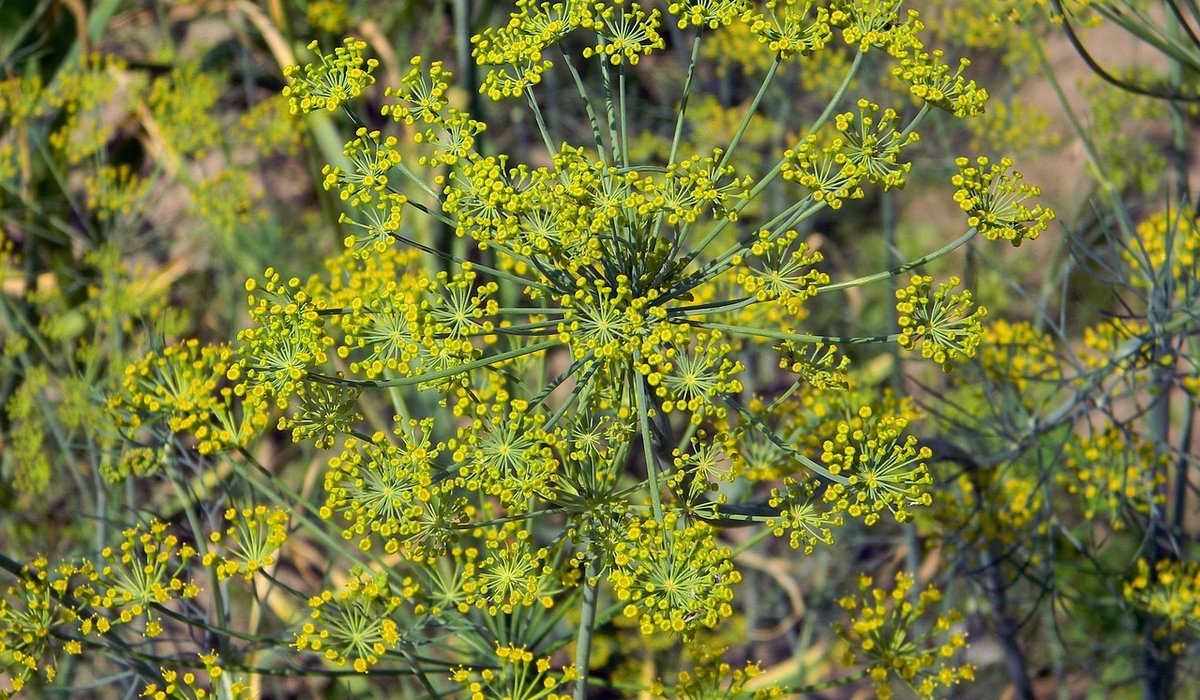
Why Dry Your Own Herbs and Flowers?
There is something deeply satisfying about filling a jar with your own dried lavender or mint. It is a slow, seasonal craft that connects you to the garden and the kitchen cupboard. In the British climate, drying is not always straightforward — our damp air can turn a promising bunch mouldy overnight — but with a little care, you can build a year’s supply of teas, remedies, and household loveliness. The reward is not just the jars themselves, but the rhythm of cutting, tying, and waiting. It teaches patience.
Choosing and Cutting
Timing matters. For herbs, pick just before they flower, when the oils are strongest. Rosemary, thyme, sage, oregano, and mint all dry well. For flowers, choose those fully open but still fresh: lavender, chamomile, calendula, cornflower, and rose petals. Cut on a dry, still morning after the dew has lifted but before the sun is high. Use sharp secateurs or scissors. Avoid plants that are wet, wilted, or past their best.
- Herbs: rosemary, thyme, sage, mint, oregano, marjoram, lemon balm.
- Flowers: lavender, chamomile, calendula, cornflower, rose, yarrow.
- Avoid: any plant with mildew, insect damage, or dampness.
The Air-Drying Method
Air drying is the oldest and simplest method. Gather small bunches — no thicker than your thumb — and secure them with an elastic band or string. Elastic bands are useful because they tighten as stems shrink. Hang upside down in a dark, airy room, such as a spare bedroom, loft, or cool pantry. Avoid kitchens and bathrooms, where steam and fluctuating humidity ruin the process. Leave space between bunches so air can move freely.
For delicate flowers, seed heads, or very small herbs, use a paper bag. Cut a few holes in the bag, place the bunch inside, and tie the top around the stems. This keeps dust off and catches any fallen seeds. Hang the bag upside down too. A dark cupboard with a slatted shelf can work well if it is not too warm. The key is darkness, dryness, and gentle airflow.
Drying Times and Testing
Most herbs take one to two weeks. Flowers may take two to three. In a wet British summer, it can take longer. Do not rush. Test by bending a stem: it should snap, not bend. Leaves should crumble easily between your fingers. Petals should feel dry and papery, not leathery or cool. If there is any softness, leave them another week. Mould smells musty and looks grey or black — discard the whole bunch and start again. Better to lose a bunch than spoil a jar.
If the weather is persistently damp, a dehumidifier in the drying room can help, but keep it away from direct heat. A fan on low, aimed away from the bunches, can also improve airflow. Never dry herbs in an oven unless you are using them immediately; the heat drives off the oils that make them useful.
Storing Your Harvest
Once fully dry, strip the leaves and flowers from the stems, or leave them whole and remove as needed. Whole leaves and petals keep their flavour and scent far better than crushed ones. Store in clean, dry glass jars with airtight lids. Label each jar with the plant name and the date. Keep them in a dark cupboard, away from the stove, kettle, and sunlight.
- Check first: in the first week, look for condensation inside the jar. If you see any, return the contents to the drying room.
- Teas: use one teaspoon of dried herb or flower per mug. Steep covered for five to ten minutes.
- Remedies: use dried herbs in infused oils, vinegars, syrups, or salves. Always research safe use.
- Shelf life: aim to use within a year for best flavour and potency.
A Seasonal Rhythm to Keep
Drying herbs and flowers is a gentle way to mark the year. In early summer, cut lavender and rose petals. At midsummer, gather chamomile and calendula. By late summer, mint and lemon balm are ready, followed by thyme, sage, and oregano in early autumn. Each jar becomes a small record of the season. Give them as gifts, use them in cooking, or simply open a jar in January and breathe in the summer. It is slow living at its most practical — and most rewarding.


Leave a reply